Passive income is one of the most searched financial goals — and one of the most misunderstood.
A lot of people think passive income means:
- making money while doing nothing
- instant results
- easy money
That’s not how it works.
Real passive income usually requires time, effort, or money upfront, but once it’s built, it can continue generating income with less day-to-day work.
If you’re looking to make passive income, this guide breaks down real, practical methods — not hype.
What Passive Income Actually Means
Passive income is income that continues to come in after the initial work is done.
That work could be:
- building a product
- investing money
- creating content
- setting up a system
Simple definition:
Active income = time for money
Passive income = system for money
The goal is to build systems that keep working even when you’re not.
10 Real Ways to Make Passive Income
1. Build a Niche Website
One of the most underrated ways to build passive income is through a simple website.
You can create content that ranks on search engines and earns money through:
- ads
- affiliate links
- services
- digital products
Example:
A site about:
- fitness
- business
- finance
- tools
- tutorials
Over time, traffic can turn into consistent income.
Why it works:
- scalable
- low startup cost
- builds long-term assets

2. Affiliate Marketing
Affiliate marketing means promoting other people’s products and earning a commission when someone buys.
Examples:
- recommending software tools
- linking products in articles
- reviewing services
- YouTube or blog recommendations
Where it works best:
- blogs
- YouTube
- TikTok
- email lists
Reality:
You still need traffic and trust — it’s not instant.

3. Digital Products
Digital products are one of the cleanest passive income models.
You create something once and sell it repeatedly.
Examples:
- ebooks
- templates
- guides
- Notion dashboards
- courses
- design assets
Why it works:
- no inventory
- high margins
- scalable
The key is solving a specific problem.

4. Print-on-Demand Stores
Print-on-demand lets you sell products like:
- t-shirts
- hoodies
- mugs
- posters
…without holding inventory.
A supplier prints and ships the product when someone orders.
Platforms:
- Shopify
- Etsy
- Printful / Printify
Reality:
You still need good designs and marketing.

5. YouTube Content
YouTube can become a strong passive income stream over time.
Once videos are uploaded, they can keep generating:
- ad revenue
- affiliate income
- brand deals
Best content types:
- tutorials
- reviews
- educational content
- evergreen topics
Reality:
Takes time to build, but can compound heavily.

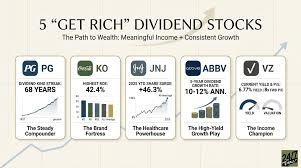
6. Dividend Investing
If you have capital, dividend investing is one of the most traditional passive income methods.
You invest in stocks that pay regular dividends.
Example:
Companies pay you a portion of profits periodically.
Benefits:
- consistent payouts
- long-term growth potential
Reality:
Requires money upfront and patience.
7. Rental Income
Real estate is one of the most well-known passive income strategies.
You buy property and earn income through rent.
Types:
- long-term rentals
- short-term rentals (Airbnb)
Reality:
- requires capital
- not fully passive at the start
- management is involved
But it can become more passive over time.

8. Sell Stock Photos or Designs
If you create content, you can upload it to platforms where people pay to use it.
Examples:
- stock photos
- design assets
- icons
- illustrations
Platforms:
- Shutterstock
- Adobe Stock
- Creative Market
Reality:
Income builds slowly, but can stack over time.

9. Build an Email Newsletter
Email lists are one of the most valuable digital assets.
Once you build a list, you can monetize through:
- products
- affiliate links
- promotions
- services
Why it works:
You own the audience — unlike social media.
Reality:
Requires consistent content and value.

10. Create a Simple App or Tool
If you can build (or outsource) a tool that solves a problem, it can generate recurring income.
Examples:
- calculators
- business tools
- niche apps
- SaaS products
Reality:
Higher effort upfront, but strong upside.

How Long Does Passive Income Take to Build?
This depends on the method.
Typical timelines:
- content / websites → 3–12 months
- YouTube → 6–18 months
- digital products → weeks to months
- investing → long-term
- real estate → depends on capital
If something promises instant passive income, it’s usually misleading.
Best Passive Income Strategy for Beginners
If you’re starting with little money, the best options are:
- niche websites
- affiliate marketing
- digital products
- content (YouTube, blog)
Why?
Because they require:
- low capital
- skill instead of money
- scalability over time
Common Passive Income Mistakes
Avoid these:
1. Expecting fast results
Passive income compounds — it doesn’t explode overnight.
2. Trying too many things at once
Pick one path and stay consistent.
3. Not building real value
If it doesn’t help someone, it won’t make money.
4. Quitting too early
Most people stop before anything has time to work.
5. Following hype instead of systems
Focus on real business models, not trends.
Final Thoughts
Passive income is real — but it’s not magic.
It’s built through:
- systems
- consistency
- value
- patience
If you want to make passive income, focus on building something that:
- helps people
- scales over time
- can run without constant effort
Start small.
Stay consistent.
Let it compound.
 Modern Haven
Leave a comment