Starting a small business can feel overwhelming at first.
There’s usually one big idea in your head — but then a hundred questions show up right after:
- What should I sell?
- Do I need an LLC?
- How do I get customers?
- How much money do I need?
- What do I do first?
The good news is this:
Most successful small businesses do not start with a perfect plan.
They start with a simple offer, a real problem, and someone willing to learn as they go.
If you’ve been wondering how to start a small business, this guide will walk you through the key steps in a way that actually makes sense.
1. Start With a Problem, Not Just an Idea
A lot of people try to start a business by asking:
“What business should I start?”
The better question is:
“What problem can I solve?”
Small businesses usually grow faster when they solve something real.
Examples:
- Lawn care solves overgrown yards
- Web design solves poor online presence
- Pressure washing solves dirty property exteriors
- Meal prep solves convenience and health problems
- Tutoring solves academic struggles
The strongest businesses are usually built around one of these:
- saving people time
- saving people money
- making people money
- reducing stress
- improving convenience
- improving appearance or status
Quick test:
Ask yourself:
Would someone already be paying to fix this problem?
If yes, you may have something worth building.

2. Choose a Simple Business Model
Do not overcomplicate your first business.
One of the biggest mistakes beginners make is trying to build a huge brand before they’ve even made their first sale.
Start simple.
Common small business models:
- Service business – web design, cleaning, landscaping, photography, car detailing
- Product business – clothing, candles, snacks, skincare, physical goods
- Online business – digital products, content, consulting, ecommerce
- Local business – pressure washing, junk removal, home services, mobile detailing
Best beginner advice:
If you want to start fast with low risk, service businesses are usually the easiest.
Why?
Because you can often start with:
- low upfront cost
- no inventory
- faster cash flow
- easier customer validation

3. Pick a Clear Offer
A business is not just “a brand.”
A business is an offer.
You need to be able to answer this clearly:
What exactly am I helping people with?
Bad example:
- “I help businesses grow.”
Better example:
- “I build clean, mobile-friendly websites for local businesses.”
Bad example:
- “I do marketing.”
Better example:
- “I help local businesses get more leads with Google Business Profile optimization.”
A good offer should be:
- clear
- easy to explain
- useful
- easy to buy
If people can’t quickly understand what you do, they won’t buy.
4. Figure Out Who Your Customer Is
A lot of beginner businesses fail because they try to sell to “everyone.”
That almost always weakens your message.
Instead, ask:
Who specifically needs this most?
Examples:
- local restaurant owners
- gym owners
- busy parents
- first-time homebuyers
- small business owners
- real estate agents
- ecommerce brands
When you know exactly who you help, your marketing gets much easier.
Simple customer questions to answer:
- What problem are they dealing with?
- What do they already spend money on?
- Where do they hang out online?
- What would make them buy quickly?
The more specific you get, the better.

5. Validate the Idea Before You Overbuild It
This is where a lot of people waste time.
They spend weeks:
- making logos
- picking fonts
- building websites
- planning packaging
- creating social media pages
…and never actually test whether people want the thing.
That’s backwards.
Before you go too deep, try to answer this:
Will real people pay for this?
Simple ways to validate a business idea:
- post it on social media
- message potential customers directly
- ask for feedback
- run a small local offer
- create a simple landing page
- pre-sell before fully building
The market does not care how excited you are.
It cares whether the offer solves a problem.
That’s the truth.
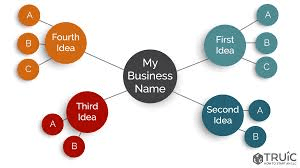
6. Name the Business and Keep It Clean
Your business name matters — but not as much as beginners think.
A simple, clean, memorable name is enough.
Good business name qualities:
- easy to say
- easy to spell
- easy to remember
- not overly niche unless intentional
Bad beginner mistakes:
- making it too complicated
- using weird spelling
- choosing a name no one understands
- trying too hard to sound “corporate”
Simple wins.
Before choosing a name, check:
- domain availability
- Instagram handle availability
- local business name conflicts
- trademark conflicts if you’re going bigger
7. Handle the Legal Basics
This part scares people more than it should.
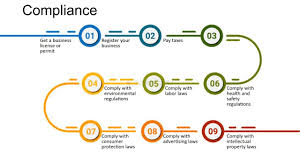
You do not need to become a lawyer to start a small business — but you should handle the basics properly.
Common beginner business setup steps:
- choose your business name
- decide whether to operate as a sole proprietor or LLC
- get an EIN if needed
- open a business bank account
- track income and expenses
- check local licenses or permits if required
Do you need an LLC right away?
Not always.
A lot of people start small as a sole proprietor and then form an LLC once they have momentum.
But if you’re dealing with:
- contracts
- customers
- liability
- higher risk work
…it may make sense sooner.
This depends on your business type.
8. Build a Simple Online Presence
If your business does not exist online, a lot of people will assume it is not real.
You do not need a massive online brand at first.
But you should have a basic, trustworthy presence.
Minimum online setup:
- website or landing page
- business email
- Instagram or Facebook page if relevant
- Google Business Profile for local businesses
Your website should answer:
- what you do
- who you help
- how to contact you
- why someone should trust you
A clean, simple website is often enough to make a small business look much more legitimate.

9. Get Your First Customers Fast
This is the step that actually matters.
A business is not real because you filed paperwork.
A business is real when someone pays you.
So once your offer is clear, your next goal is simple:
Get your first few customers as fast as possible
Best beginner ways to get customers:
- ask your network
- post in local Facebook groups
- cold email or DM
- use Craigslist or local marketplaces
- ask for referrals
- offer a starter deal
- reach out to businesses directly
- post before-and-after results if relevant
Best rule:
Do things that create conversations, not just “content.”
Because content feels productive.
Sales conversations actually make money.
10. Keep It Lean and Improve As You Go
Your first version should not be perfect.
It should be:
- usable
- sellable
- clear
- improving
A lot of people delay starting because they want to “have it all figured out.”
That’s not how business works.
You build clarity by:
- selling
- talking to customers
- making mistakes
- improving the offer
- repeating what works
Your first goal is not to look big
Your first goal is to become useful and profitable.
That matters a lot more.
Common Small Business Mistakes to Avoid
If you want to move faster, avoid these:
1. Waiting too long to sell
You do not need more “planning” — you need customer feedback.
2. Spending too much before proving demand
Do not dump money into branding, software, or inventory too early.
3. Trying to do too many things
A weak general offer usually loses to a clear specific one.
4. Ignoring follow-up
A lot of money is lost simply because people do not follow up.
5. Thinking the business should feel “official” before it starts
You earn legitimacy through execution, not aesthetics.
How Much Money Do You Need to Start a Small Business?
That depends on what kind of business you want.
Low-cost small business examples:
- web design
- freelance writing
- social media management
- pressure washing
- car detailing
- tutoring
- photography
Some small businesses can be started for under $500, and sometimes much less.
Higher-cost business examples:
- food businesses
- product brands
- inventory-heavy ecommerce
- physical retail
- construction-heavy operations
Start with the version that gets you proof and cash flow first.
Then scale.
Final Thoughts
If you want to start a small business, the path is actually simpler than most people think.
You do not need:
- a perfect logo
- a giant audience
- a fancy office
- a huge loan
You need:
- a real problem
- a clear offer
- a real customer
- and enough action to test it in the market
That’s how small businesses actually get built.
Start lean.
Sell early.
Improve fast.
That is the game.
 Modern Haven
Leave a comment