A small bedroom doesn’t always need more square footage.
Most of the time, it needs better visual breathing room.
That’s the part a lot of people miss.
If your bedroom feels cramped, heavy, or “off,” the issue usually isn’t just size — it’s how the room is visually read. Certain layouts, colors, furniture choices, and styling decisions can make a room feel tighter than it actually is. And the right ones can do the opposite.
The good news? You do not need a full renovation to make a small bedroom feel bigger.
These seven design shifts can make a room feel lighter, calmer, and noticeably more open — without knocking down a single wall.
1) Let More Floor Show
One of the fastest ways to make a small bedroom feel bigger is surprisingly simple:
Let the floor breathe.
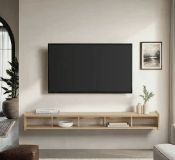
When more floor is visible, your eye reads the room as more open and less crowded. That’s why small bedrooms often feel better with furniture that sits slightly off the ground instead of bulky pieces that visually “plug up” the room. Designers also consistently point to scale and oversized furniture as one of the easiest ways to make a room feel cramped.
Think:
- a bed frame with visible clearance underneath
- nightstands with legs instead of solid block bases
- a slimmer bench instead of a chunky storage chest
- floating shelves instead of floor furniture
This doesn’t mean your room has to feel sparse or unfinished. It just means your furniture should stop eating up visual space.
Try this:
If your current bed frame sits low and heavy, swap it for one with a more open base or add under-bed storage bins that stay visually hidden instead of stacking visible clutter around the room.
2) Use Mirrors to Reflect Light and Depth
This one gets repeated for a reason: mirrors work.
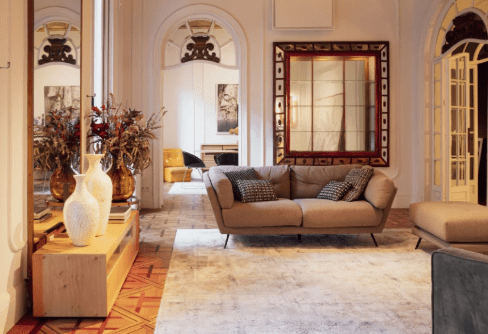
A well-placed mirror can make a small bedroom feel deeper, brighter, and less boxed in because it reflects both light and visual space. Designers regularly use oversized or strategically placed mirrors to create the illusion of openness, especially in tighter rooms or awkward layouts.
The key is not just adding a mirror randomly.
The best mirror placements are usually:
- across from or near a window
- where they reflect natural light
- where they visually extend the room instead of bouncing clutter back at you
A tiny mirror won’t do much. If your goal is to make a small bedroom look bigger, go larger and simpler.
Try this:
Place a tall mirror near the corner of your room or lean one against a wall where it can reflect light instead of reflecting your laundry pile.
3) Hang Curtains Higher and Wider
If your curtains start right above the window frame, you’re probably making your room feel shorter than it is.
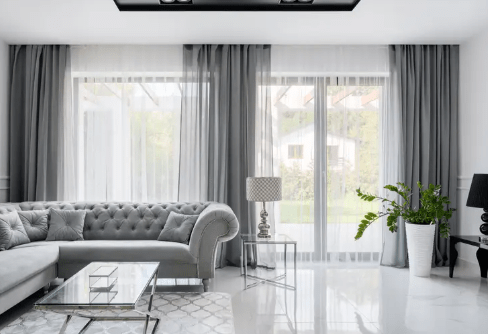
One of the easiest small bedroom ideas that actually changes the feel of a room is hanging curtains:
- higher
- wider
- and ideally with enough length to skim or nearly touch the floor
Why it works: your eye follows the vertical line upward, which makes the ceiling feel taller and the room feel less compressed. Designers and small-space experts repeatedly use this trick because it visually stretches the architecture without changing anything structural.
It’s one of those tiny upgrades that makes a bedroom layout feel more intentional almost immediately.
Try this:
Mount your curtain rod 4–8 inches above the window frame (or closer to the ceiling if it makes sense), and extend it slightly beyond the window on both sides.
4) Choose Lighter, Cohesive Colors
You do not have to paint everything stark white.
But if your room is full of sharp color breaks, harsh contrast, or heavy visual stops, it will usually feel smaller.
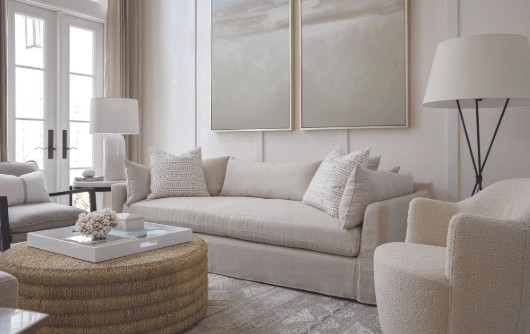
Lighter, more cohesive palettes help the eye move through a room more smoothly. Designers often recommend light neutrals or unified tones in small spaces because they reduce visual interruption and make corners feel more open. Research on interior perception also shows that brighter ceiling luminance can make a room feel taller, which helps explain why lighter upper surfaces often feel airier.
This is why some of the best tiny bedroom decor feels calm instead of busy:
- soft whites
- warm beige
- light taupe
- muted greige
- pale sage
- dusty blue
- tonal layers of the same family
The goal is not “boring.”
The goal is flow.
Try this:
Choose one dominant color family for your bedding, curtains, walls, and large decor pieces so the room feels visually connected instead of chopped up.
5) Use Fewer — But Better-Sized — Furniture Pieces
A lot of people try to make a small bedroom work by cramming in smaller and smaller furniture.
That often backfires.
What actually matters more is proportion.
Too many pieces — even if they’re technically “small” — can make a room feel chaotic and overfilled. On the other hand, a few well-scaled pieces usually make the room feel calmer, cleaner, and more spacious. Designers consistently emphasize that both oversized furniture and poorly proportioned furniture can shrink a room visually.
That means:
- one properly scaled dresser may work better than multiple mini storage pieces
- one clean-lined nightstand may feel better than two mismatched bulky ones
- a bed that fits the room matters more than forcing in the largest one possible
A room doesn’t feel bigger when you squeeze in more.
It feels bigger when it feels edited.
Try this:
Remove one unnecessary furniture piece and live with the room for 48 hours. Most of the time, you’ll realize it looked better without it.
6) Draw the Eye Upward
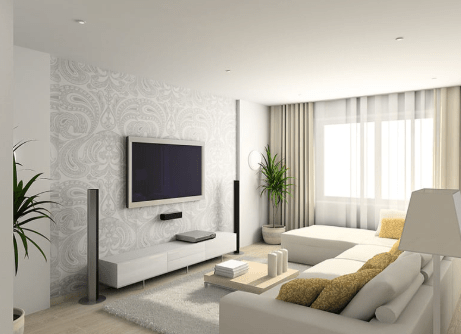
When a room is small, your best friend is vertical emphasis.
Anything that draws the eye upward can make the room feel taller and less boxed in.
This is one of the most useful small room design tips because it works even in plain, rental-friendly spaces.
You can create height visually with:
- tall curtains
- vertical paneling or wall molding
- elongated lamps
- taller headboards
- stacked wall art
- narrow shelving
- vertical mirrors
The point is to stop your room from feeling visually stuck at one low horizontal level. Designers frequently use vertical lines and higher focal points to help small rooms feel more expansive and balanced.
Try this:
Style one vertical “line” in your room — like a tall mirror, a column of framed art, or a narrow wall shelf — and see how much more height the room suddenly seems to have.
7) Reduce Visual Clutter with Hidden Storage
This may be the least glamorous tip on the list, but it’s probably the most important.
A small bedroom can be beautifully decorated and still feel awful if there’s too much visible stuff.
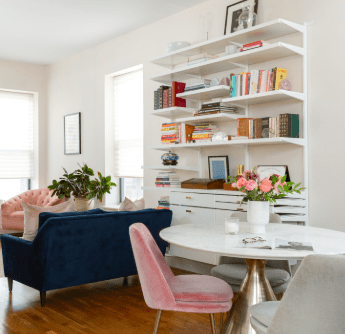
Clutter changes the way a room is experienced. It makes a space feel mentally noisy and physically tighter. Designers consistently recommend hidden storage, edited surfaces, and less eye-level clutter in small rooms because clean sightlines make a room feel instantly more breathable.
That means:
- fewer items left out on nightstands
- closed storage over open storage
- baskets, bins, or drawers for loose items
- less “tiny decor everywhere”
- less furniture acting like accidental clutter storage
A room doesn’t need to be minimalist to feel bigger.
It just needs to feel visually calm.
Try this:
Clear every visible surface in your room except for one or two intentional items per zone. Your bedroom will immediately feel more open.
Final Thought
If you want your bedroom to feel bigger, don’t focus only on square footage.
Focus on what your eye is reading:
- more openness
- less visual friction
- better scale
- softer transitions
- cleaner lines
That’s what changes a room.
And the best part is, you usually don’t need to do all seven things.
Even just two or three of these fixes can make a small bedroom feel noticeably lighter, calmer, and more spacious.
If your room feels cramped right now, start here:
- remove one bulky piece
- raise your curtains
- clear visible clutter
That alone can change the whole mood of the room.
 Modern Haven
Leave a comment